

Letter to Rescues
Dear Rescues,
I have no intention of criticizing any of you for doing what we all can agree is noble work. Helping those who cannot help themselves is admirable, and the thoroughness most rescues have to ensure their dogs go to the best homes is commendable. All this being said, I want to propose an idea for you to consider:
Not every dog needs to be in a home.
If this statement immediately gets you up in arms, I want you to please hear me out. The statement “Not every dog needs to be in a home” does not equal: “every dog does not deserve love.” It is a very American-centric way of thinking (North-American-centric, really), and I would like to shift the bias towards something else. I’ll give an example.


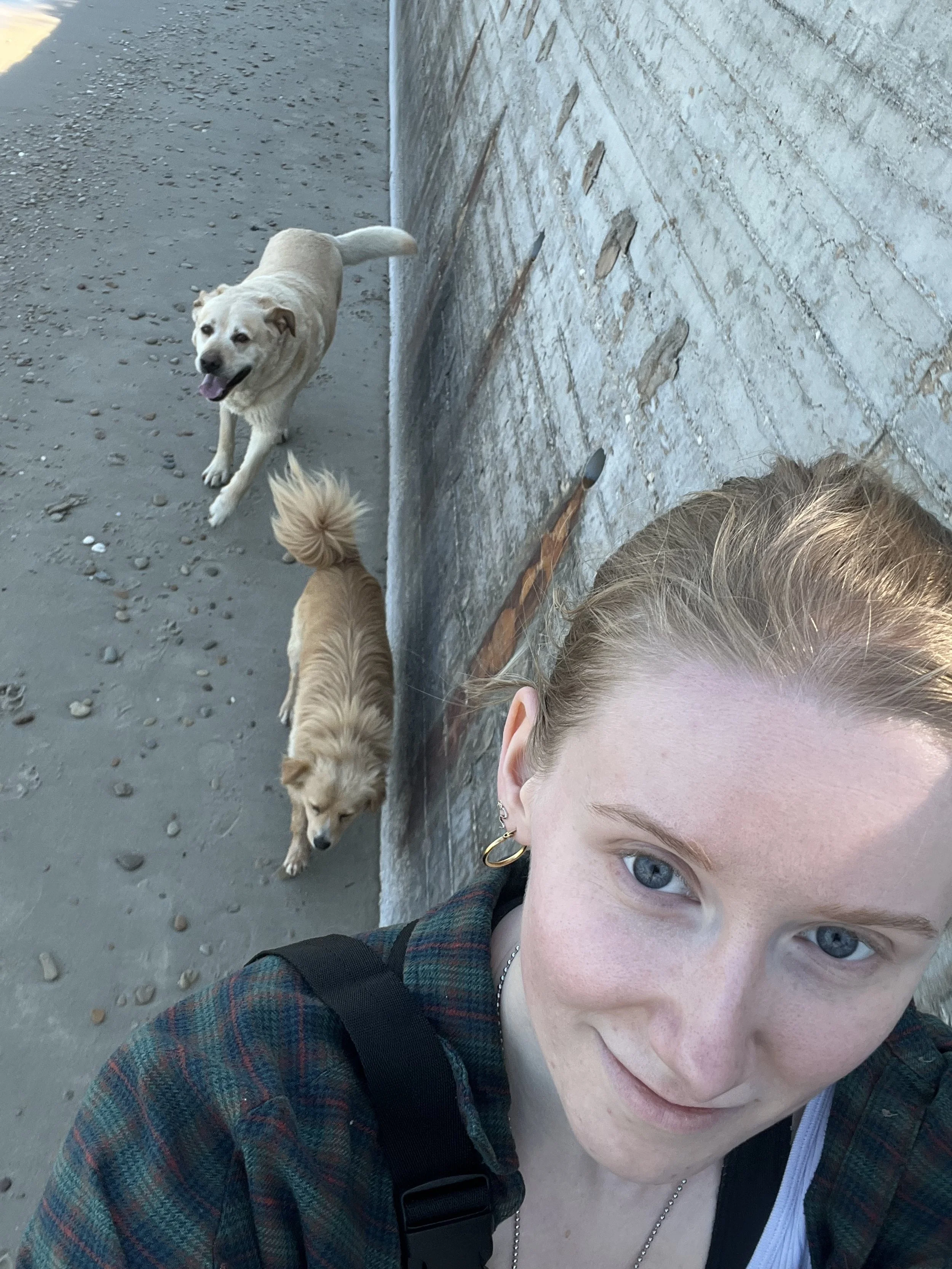
This is Chicho (and his brother, the yellow lab looking dog). I actually don’t know what his name is, but that is what I called him for the several days I knew him. You may not be able to see it in these pictures, but Chicho (and his brother) wore a very worn red leather collar and wandered around one particular home.
Chicho lives on the island of Zakynthos (or Zante) in Western Greece. People in Greece, especially those not in cities or densely-packed areas, do not typically keep their pets in their home. They can come in and out, sometimes, but dogs can be pretty stinky and usually just stay outside. Those who “claim” certain street-dogs for themselves put collars on them, so people at least know they belong to someone. Otherwise, the only dogs people “own” are guard dogs, which are typically chained or fenced in around the home.
Chicho does whatever he wishes. He eats when food is put out, hunts mice and lizards, chases cats, barks at other dogs, and takes himself on walks along the beach. In my opinion, I think Chicho has a pretty excellent life. He’s also friendly, relaxed, and entirely open to strangers that cross his path.
All across the world, there are feral or stray dog populations. They very rarely pose actual threats towards someone — those dogs that are aggressive do not last long on the street as they are taken by animal control or chased off.
In the Southern US, there is a similar out-of-control street dog population, just like most of Greece. In recent years, there has been a dramatic increase in capturing these dogs, putting them in shelters or rescues systems, and shipping them en masse to New England. I do not mean to say we shouldn’t help any of these dogs living on the street, as their quality of life could be far better. What I am saying is that the vast majority of these dogs have never lived in a home, and find the freedom of being outside full-time far superior.
How do I know this?
I have a lot of experience both with these Southern street dogs (NAFR dogs) and I have studied primitive dogs for years. In many countries, their primitive dogs belong to indigenous populations or otherwise live in very different housing situations. Chicho, for example, is a Greek Indigenous breed called a Kokoni. His breed has existed since before Classical Ancient Greece — Socrates owned a Kokoni.
Animals with minimal human contact are the least stressed when they have the ability to flee from said human contact. This includes domesticated animals. Ever tried to pet a feral cat? Have you ever been able to pet a feral cat?
If you are part of a rescues that scoops up some of these feral dogs to bring up north, consider working with those same Southern shelters to spay-neuter-release or provide for safe, outdoor housing. All I ask is that you consider this.
Thank you for reading my whole letter if you have made it this far. I appreciate your time and hope I have given you something to think about.